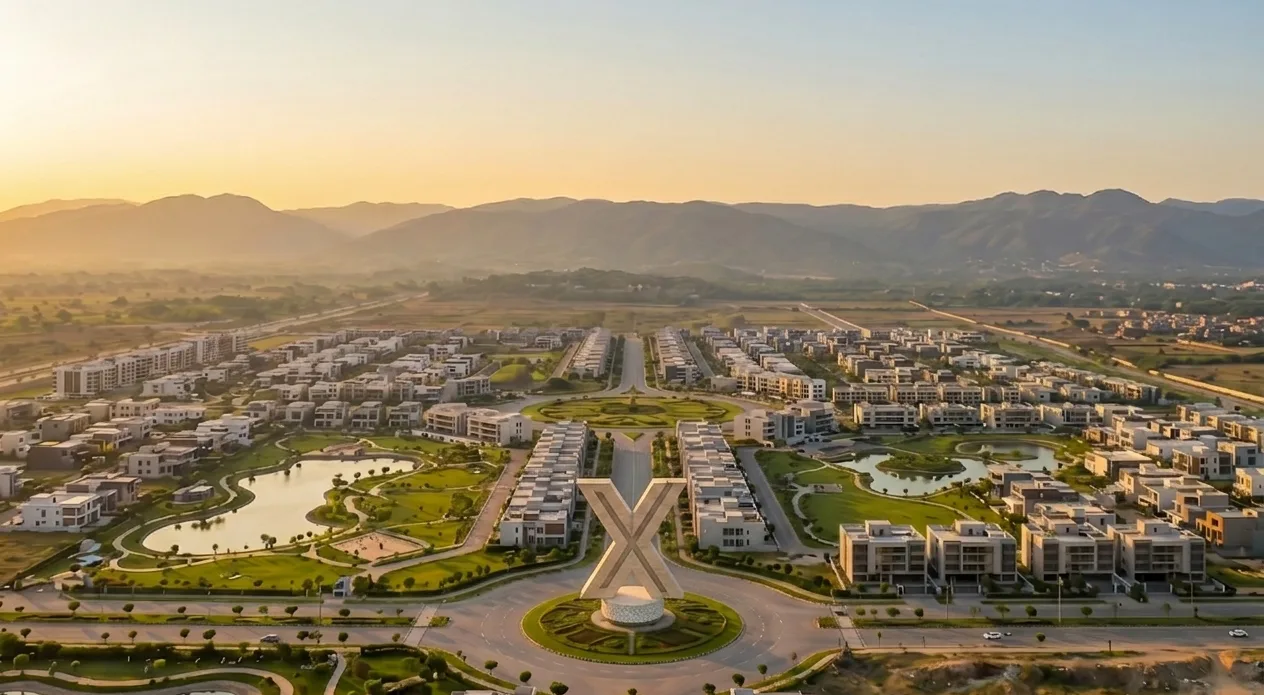
Moving into a society while it is still being built is a genuinely different experience from moving into an established neighbourhood, and brochures do not describe it. Some people love the early years; others find them harder than expected. Here is an honest account, so you can decide which you would be.
What the early years are actually like
The good. Space, quiet, clean air and modern planning — wide roads, underground utilities, green belts and no decades-old infrastructure problems. You choose your plot rather than inheriting someone's compromises, and you typically pay considerably less than an established address costs.
The hard part. Early residents live on a construction site. Expect building noise and dust, trucks on the roads, incomplete street lighting in places, and amenities that exist on the master plan rather than on the ground. Shops, schools and clinics arrive when there are enough residents to support them — which is a chicken-and-egg problem every new society passes through.
The social dimension. Early communities are small and tend to be close, which many families enjoy. But your immediate neighbours may be empty plots for years, which affects both daily life and how secure a house feels.
Services, honestly assessed
- Shops. Expect a limited selection early. Plan on driving for a proper grocery run until commercial activity builds.
- Schools. The decisive question for families with children. Societies plan education zones — Faisal Town Phase 2's master plan includes an Education City — but a planned school is not an operating school. If you have school-age children, confirm what is actually operating and what the commute is to existing alternatives.
- Healthcare. Same principle. A planned teaching hospital is a long-term amenity, not a clinic you can visit next month. Know where your nearest functioning hospital is and how long it takes to reach.
- Security. Gated societies generally manage this reasonably well, but early-stage sectors with many empty plots need more attention than mature ones. Ask what security is actually deployed in *your* block.
- Waste collection and maintenance. Ask what the society provides, what it charges, and whether residents in your block say it works.
The question that matters most
Not "is this society good?" but "is this block ready for the life I want to live in it?"
Societies develop outward from their showcase areas, so two addresses in the same scheme can offer completely different daily experiences. In Faisal Town Phase 2, Sector O is the most advanced while newer sectors are considerably earlier (current development status).
How to judge readiness before you commit
Go and check these yourself, on a weekday:
1. How many houses in this block are occupied? Occupancy is the single best indicator of liveability.
2. Are the utilities live here? Electricity, water, sewerage — in this block, today (what to ask).
3. Are the roads finished, and is street lighting working at night? Visit after dark as well as during the day.
4. What is the nearest operating school, clinic and grocery, and how long does the drive take?
5. Talk to a current resident. Knock on a door. Ask what they would warn a new buyer about. Nothing else you do will be as informative.
Who thrives, and who should wait
Early-stage living suits you if: you value space and modern planning over immediate convenience, you drive, you are comfortable being an early adopter, and you can tolerate construction around you for a few years.
Wait, or buy in a developed society, if: you have school-age children and no acceptable commute, you depend on walkable services, you need reliable utilities from day one, or anyone in the household has health needs requiring nearby care.
There is no wrong answer here — only a mismatch between expectation and reality, which is what we are trying to help you avoid. If a delivered society genuinely suits you better, our Phase 1 guide and Phase 1 vs Phase 2 comparison cover that honestly.
If you buy early but build later
A perfectly sensible middle path: buy now at early-stage pricing, build when the block has matured. You capture the lower entry price and move in when services exist. In the meantime, build a boundary wall and keep the plot secure.
The caveat that belongs in every decision
Faisal Town Phase 2's NOC is under process, not approved (our full position), and that risk applies whether you intend to live there or hold the plot. Weigh it consciously, and verify the current status yourself.
Want to know honestly whether a specific block is ready to live in yet? Ask our team — and we will tell you when the answer is "not yet".
Ready to make your move?
Speak with an advisor for free, personalised investment guidance.
Book Free Consultation