Search for 'investment opportunities in Islamabad' and you will drown in claims: guaranteed returns, prices doubling in a year, last few plots remaining. This guide is the opposite of that. It maps the twin cities' real estate market by what actually determines investor outcomes — risk tier, capital requirement and time horizon — and states the trade-offs plainly, including for the project we ourselves market.
First, the rule that filters out most bad investments
No legitimate property investment in Pakistan offers a *guaranteed* return. Land appreciates on infrastructure, population growth and scarcity — none of which run on a schedule. Anyone promising a fixed percentage or a doubling timeline is describing their hopes, or worse. Judge every opportunity on fundamentals: corridor, approval status, developer track record and entry price relative to comparable delivered projects.
The opportunity map, by tier
Tier 1 — Developed and approved (capital preservation). DHA, Bahria Town, CDA sectors. You are buying certainty: possession, utilities, an active resale market. Entry is expensive and the dramatic appreciation has largely already happened — but downside risk is the lowest in the market. Best for parking capital, not multiplying it.
Tier 2 — Partially developed, maturing (balanced). Societies with real infrastructure progress and quicker possession — Faisal Hills is a good example. Meaningful appreciation room remains as development completes, with materially less risk than fresh launches.
Tier 3 — Early-stage on strong corridors (growth, with risk). New societies along the M-2, the Rawalpindi Ring Road and the airport corridor. Entry prices are the lowest and the appreciation case is the strongest *if* the society delivers — and that 'if' is precisely what you are being compensated for. Approval status is the make-or-break variable here: check any society's NOC yourself before believing a brochure.
Commercial property sits across all three tiers with its own economics — higher tickets, rent-driven returns, occupancy lag. We covered it separately in the commercial plot investment guide.
Where Faisal Town Phase 2 honestly sits
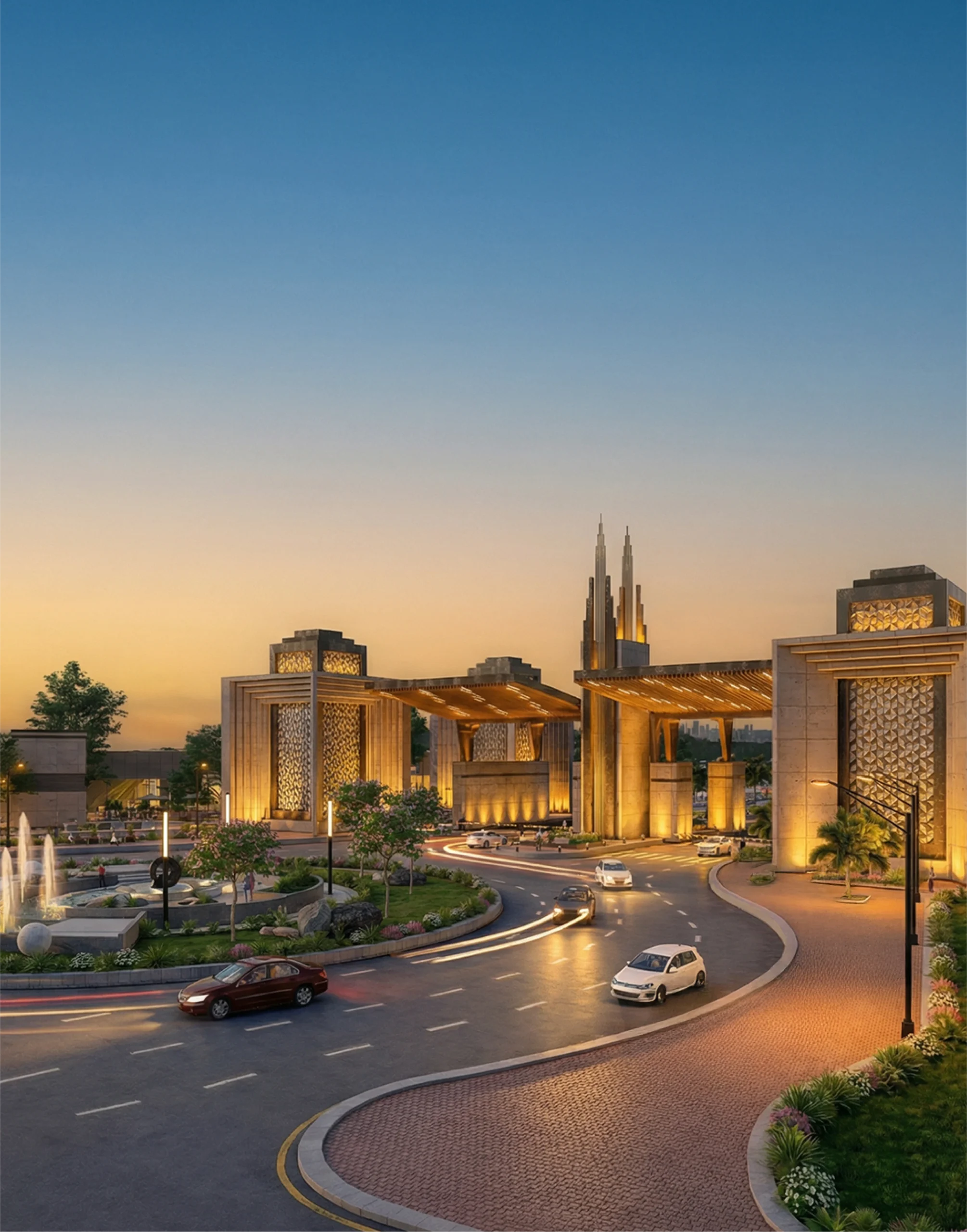
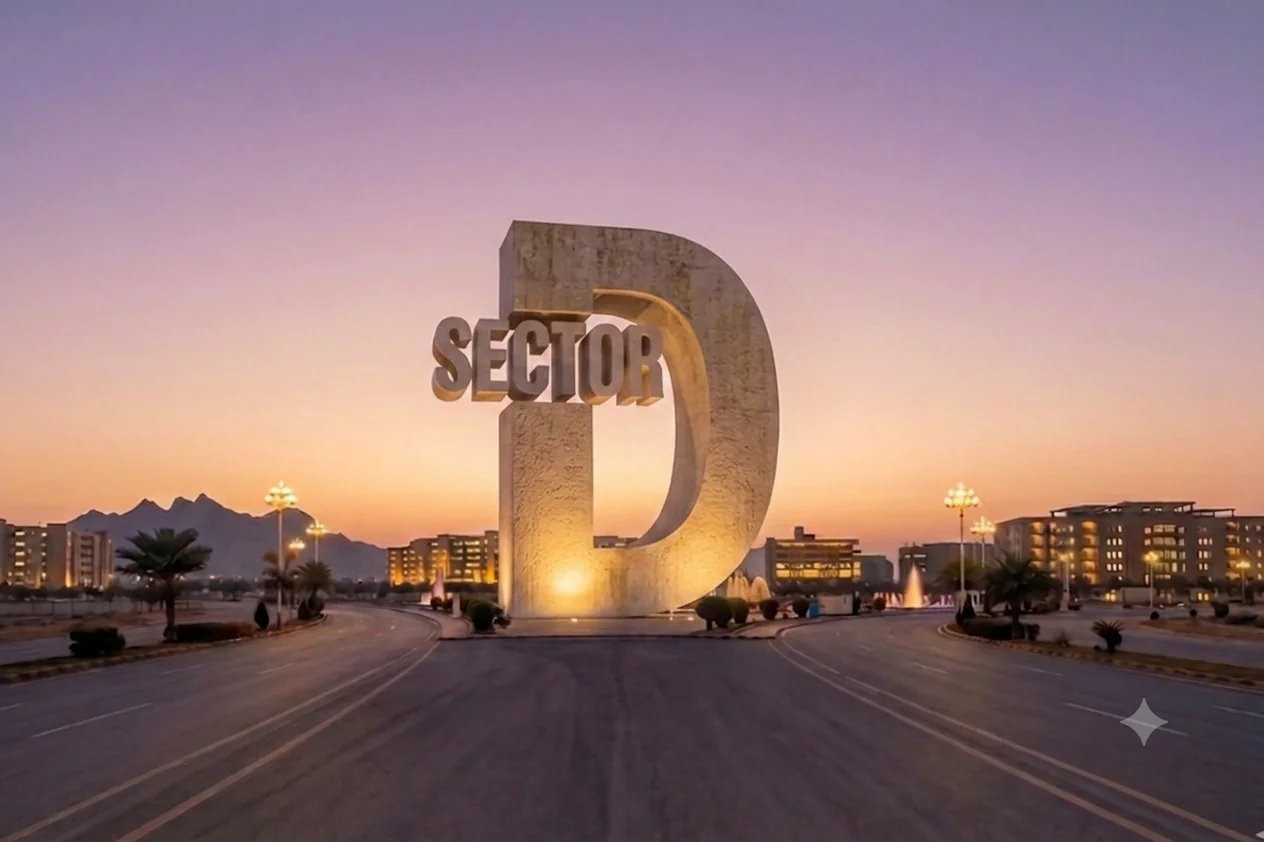
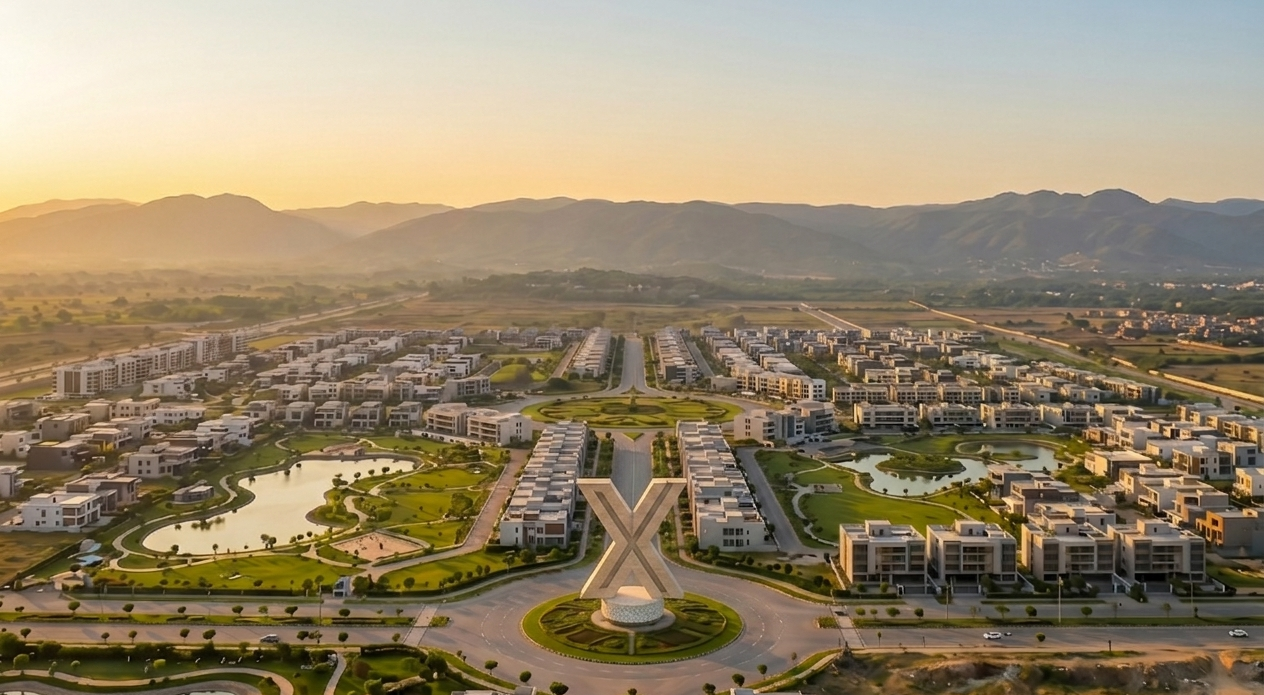
The project we market belongs squarely in Tier 3, and we describe it in Tier 3 terms. The case for it: an M-2 position at the Thalian Interchange 10–15 minutes from the New Islamabad International Airport, a developer group that has delivered Faisal Town Phase 1, Faisal Hills and Faisal Margalla City, entry from PKR 27.9 lakh for a 5 Marla on full payment, and installments from PKR 60,000 a month. The case against it: the NOC is under process, not approved, and possession outside the semi-developed Sector O is years away. Both halves of that sentence matter equally.
Matching the tier to your situation
- You need the money back within 2 years: property is the wrong instrument entirely. Appreciation cycles are longer than that; transaction costs eat short holds.
- Salaried, building wealth monthly: a Tier 3 installment plan converts small monthly amounts into a land position — see how installment plans work — sized so that losing liquidity for 3–5 years does not break you.
- Lump sum available, low risk appetite: Tier 1–2, or a Tier 3 full-payment discount only if you can genuinely afford the approval risk.
- Overseas income: the rupee entry discount is real, but read our overseas investor guide on judging returns in your own currency.
The three mistakes that cost investors the most
First: buying on a dealer's price forecast instead of verifiable facts. Second: putting emergency money into land — plots are illiquid, and forced sellers take the worst prices. Third: ignoring the difference between a file and an allotted plot; they price differently because they *are* different.
If you want a straight assessment of where your budget fits on this map — including when the honest answer is a society we do not sell — talk to our team.
Ready to make your move?
Speak with an advisor for free, personalised investment guidance.
Book Free Consultation